

Get more direct bookings, build trust with travelers, and grow your hotel business with a professional website.





When a traveler is planning a weekend getaway, booking a last-minute business trip, or searching for "hotels near me" after a delayed flight, they grab their phone and start scrolling. Within seconds, they're scanning websites, comparing photos, checking reviews, and deciding where to spend their money.
If your hotel doesn't have a professional website—or worse, has one that loads slowly, looks outdated, or doesn't work on mobile—you're losing bookings to competitors who do.
This article breaks down why a professional website is essential for hotels, what makes one effective, and how to build one that actually generates bookings, fills rooms, and grows revenue.
Want a website that works as hard as your front desk team? Book a free strategy call with ESPLocal to see how we can build a high-converting website for your hotel—designed before you pay a dime.
See your finished website before you pay a dime. We design it first, you review and approve, then we deploy in 2–3 days.
A professional website is your most powerful booking tool, working 24/7 to attract guests, build trust, and drive direct revenue. Here's what a premium well-built website does for your hotel business:
Online travel agencies like Booking.com and Expedia charge commissions of 15–30% on every reservation. That’s money walking straight out the door on every guest who books through them instead of you.
A professional, conversion-optimized website with a direct booking widget gives guests the option to book straight with you—at full rate, with no middleman taking a cut. Even a small shift from OTA to direct bookings can mean thousands of dollars back in your pocket each month.
Travelers are making a significant decision when they book a hotel. They’re trusting you with where they’ll sleep, the quality of their experience, and whether the stay lives up to the photos. A professional website with high-quality photography, genuine guest reviews, and clearly presented amenities builds that confidence before they ever pack a bag.
A poorly designed website—blurry photos, outdated rates, missing reviews—sends the opposite message. In travel, first impressions are make-or-break, and your website is always the first impression.
Hotel searches happen at all hours. A business traveler booking a same-day stay, a couple planning a weekend escape, a family researching their summer vacation—these guests all start with Google.
Without an SEO-optimized website, you don’t show up in those searches. With one, you appear right when travelers are actively looking for somewhere to stay and ready to book.
Travelers aren’t just booking a room—they’re booking an experience. Your website is where you communicate exactly what kind of stay you offer: the rooftop bar, the restored historic architecture, the locally sourced breakfast, the rooftop pool with skyline views.
A well-designed hotel website turns your unique selling points into reasons guests choose you over the chain hotel down the street.
OTAs and review platforms are useful, but you don’t own them. They control how your property is displayed, what photos are featured, and how reviews are presented.
Your website is the one digital asset you fully control. It’s where you tell your story, highlight your best amenities, present your photography exactly the way you want, and shape the first impression every guest forms.
Your website doesn’t sleep, take vacations, or call in sick. While your team is checking guests in, your website is answering questions about amenities, displaying room availability, and capturing reservations.
A website built for conversions works as a 24/7 sales tool—every hour of every day, including weekends, holidays, and nights when your front desk team is at capacity.
Once your website is built and optimized, it drives direct bookings month after month without the ongoing cost of OTA commissions, print ads, or paid campaigns. The return on investment compounds over time as your site gains search authority and brings in steady organic traffic from travelers looking for exactly what you offer.
FYI: Hotels with professional, SEO-optimized websites consistently capture more direct bookings, build stronger guest loyalty, and generate higher revenue per room than those relying solely on OTAs and third-party platforms.
Building a hotel website that actually generates bookings requires more than picking a template and uploading a few photos. You need a site that's fast, mobile-friendly, optimized for local search, and designed to convert browsers into paying guests.
Here's what to focus on:
Over 60% of travel research and booking happens on mobile devices. A website that loads slowly, displays photos poorly on a small screen, or makes the booking process frustrating will send travelers directly to a competitor or back to Booking.com.
Every page must load in under 3 seconds. Room photos must display beautifully on mobile. Your booking engine must function flawlessly on every device. Speed and mobile optimization aren’t optional features—they’re the foundation of every hotel website that actually drives direct bookings.
Hotel guests are buying an experience before they’ve had it. Professional photography—your rooms, lobby, restaurant, pool, views, and surrounding area—is the single most powerful tool for converting website visitors into guests.
Poor photography communicates low standards. Great photography communicates exactly what a stay at your property feels like, building anticipation and desire before a guest ever completes a booking. The ROI on professional hotel photography is among the highest of any investment you’ll make.
Travelers search specifically: “hotels near [attraction],” “boutique hotel in [city],” “family hotel with pool [destination].” Your website needs to rank for these searches by building location-specific content, attraction proximity pages, and destination guides that target the searches your ideal guests are actually making.
Add hotel schema markup. Connect your Google Business Profile. Optimize your title tags and meta descriptions for the specific location and property type you offer. A hotel website without local SEO is invisible to travelers actively searching for what you provide.
Every additional step between a traveler deciding to book and completing the reservation is an opportunity to lose them back to OTAs. Your booking engine must be integrated directly on your website—not a redirect to a third-party page—with real-time availability, transparent pricing, and a checkout process that takes no more than 2–3 minutes.
Display your best available rate prominently and guarantee it—“Book direct for our lowest rate” is a proven conversion message. Make your phone number and live chat visible on the booking page for guests who want reassurance before committing.
Your website should make a traveler feel what staying at your property is like before they’ve made a reservation. A luxury boutique hotel should feel luxurious and intimate online. A surf lodge should feel casual and adventurous. A family resort should feel welcoming and fun.
Generic hotel website templates fail to communicate what makes any specific property worth choosing. Your website should be as distinctive as your property itself—because the decision to book often comes down to whether a traveler can picture themselves there.
At ESPLocal, we’ve built websites for hotels, boutique properties, and hospitality businesses across the country, and we know exactly what drives direct bookings in this industry.
Our approach is different from most agencies. We design your website before requesting payment. You review it, we refine it, and upon approval, we deploy within 2–3 days. No surprises, no guesswork, no months of back-and-forth while OTAs capture your direct booking revenue.
Here’s what you get with an ESPLocal hotel website:
Mobile-first and high-performance. Every site is built for the mobile travelers who research and book on their phones.
Structured for local SEO. We build your site to rank for destination and property-type searches with proper hotel schema, location content, and travel-intent keyword targeting baked in.
Conversion-focused by design. Integrated booking engines, direct-rate guarantees, and trust signals placed exactly where travelers are ready to commit.
Built to reflect your real-world experience. We don’t use generic hotel templates. Your site is designed to communicate your property’s personality, amenities, and what makes a stay there worth booking.
With 42+ years of cumulative experience building websites for hospitality and service businesses, we know what works and what doesn’t.
Schedule a free strategy call to see how we can build a website that drives more direct bookings and more revenue for your hotel.
Looking at real-world examples is one of the fastest ways to understand what makes a hotel website effective. These five sites demonstrate the design principles, trust elements, and conversion strategies that drive bookings.
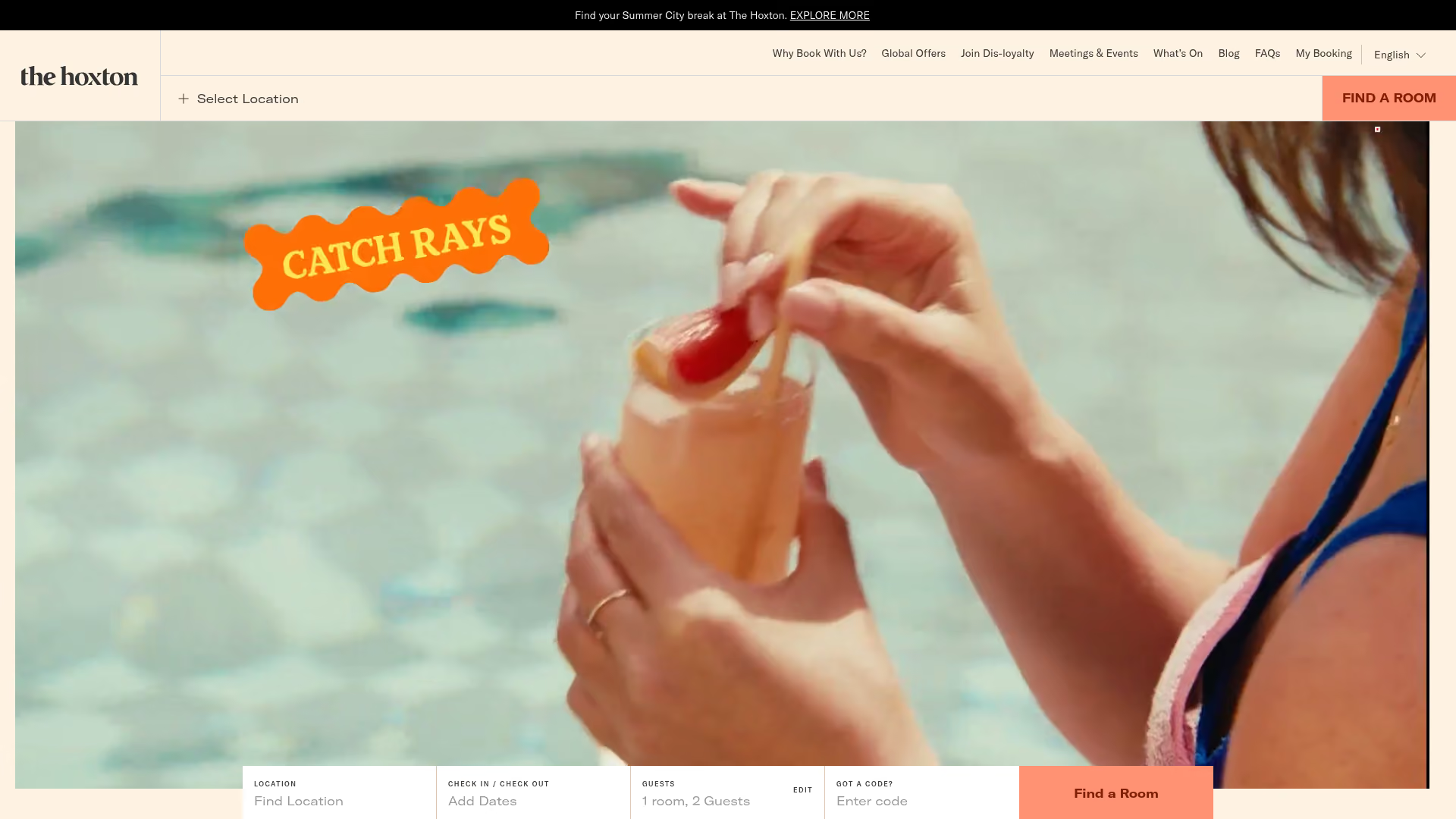
The Hoxton positions itself as more than a hotel chain—it's a "neighborhood destination" with properties in major cities across Europe and the US. Their website reflects this identity perfectly: editorial, lifestyle-driven, and immersive. The homepage leads with full-screen imagery of their properties embedded in the neighborhoods where they operate, communicating that staying at The Hoxton means experiencing the city, not just sleeping in it.
The site features dedicated pages for each property with local flavor, prominently showcased dining and lobby experiences, and messaging around co-working and communal spaces that appeals to modern travelers who want more than a hotel room.
Why this works: The Hoxton understands that experience-driven travelers want to feel like they're booking a lifestyle, not a transaction. By leading with neighborhood identity and cultural programming, the site creates emotional desire before the booking decision is made. That aspirational connection is what turns a first-time visitor into a repeat guest.
citizenM's website is as design-forward as their hotels themselves. The homepage opens with vibrant imagery of their colorful lobby interiors, immediately communicating their "affordable luxury" positioning before a guest reads a single word.
The site features a clean booking widget front and center, location-based pages for every city they operate in, and clear messaging about their tech-forward, design-driven experience. Their pricing transparency and modern aesthetic appeals directly to younger, design-conscious travelers who want hotel quality without traditional hotel stuffiness.
Why this works: citizenM nails brand consistency. Every element—the photography, the typography, the tone of the copy—reinforces who they are and who they serve. By targeting a specific traveler (the modern, tech-savvy professional) and refusing to dilute that message, they convert visitors into loyal repeat guests instead of one-time bookings.

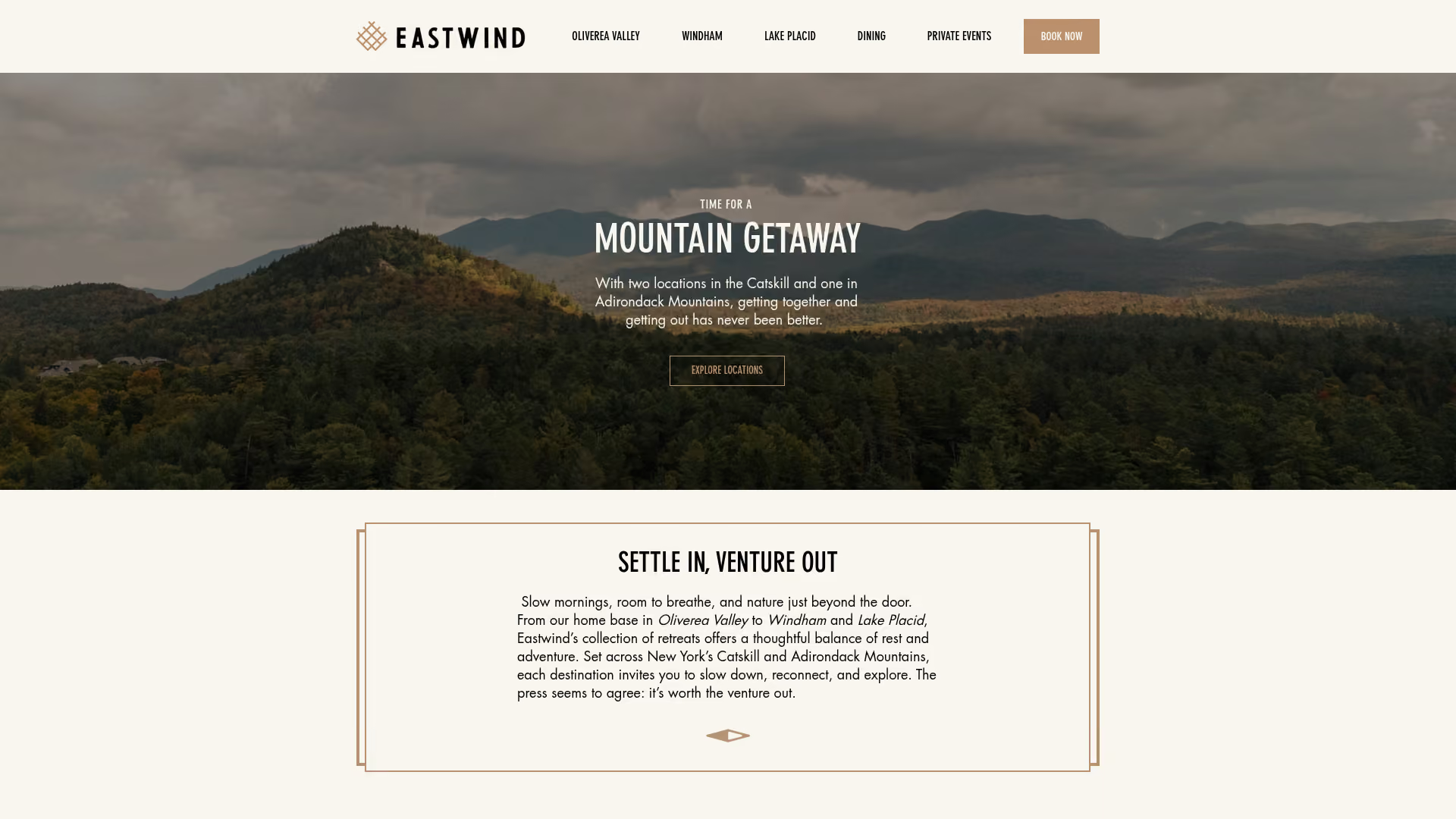
Eastwind Hotels operates a small collection of properties across the Catskills and Adirondacks, blending Scandinavian mid-century design with the raw beauty of upstate New York. Their website captures that aesthetic perfectly with full-screen imagery of forested landscapes, minimalist interiors, and cozy fireside scenes.
The site features dedicated pages for each property, clear booking flows, and authentic photography that lets travelers feel the atmosphere before they ever arrive. Their copy is warm and evocative, speaking directly to travelers who want to disconnect from the city and reconnect with nature.
Why this works: Eastwind understands that boutique hotels sell experiences, not amenities. Their website transports visitors into the Scandinavian-meets-mountains aesthetic before they ever step through the door. The site converts because it builds emotional desire first, then makes booking effortless—exactly the right order for an experience-driven property.
The Connaught, a five-star hotel in London's Mayfair, takes a refined and understated approach that perfectly mirrors the experience guests can expect at the property itself. The website opens with elegant, slow-paced imagery and editorial typography that immediately signals luxury without shouting about it.
The site features detailed pages for each suite, the hotel's renowned restaurants and bars, and the spa. Every photo is carefully composed, every word deliberately chosen. There's no clutter, no flashing pop-ups, no aggressive booking nudges—just a quiet, confident presentation of what The Connaught offers.
Why this works: The Connaught proves that luxury sells through restraint, not excess. By embracing white space, refined typography, and unhurried storytelling, the site reinforces the property's positioning as a sanctuary for discerning travelers. Guests booking The Connaught aren't comparison shopping on price—they're choosing an experience, and the website makes that experience feel inevitable.

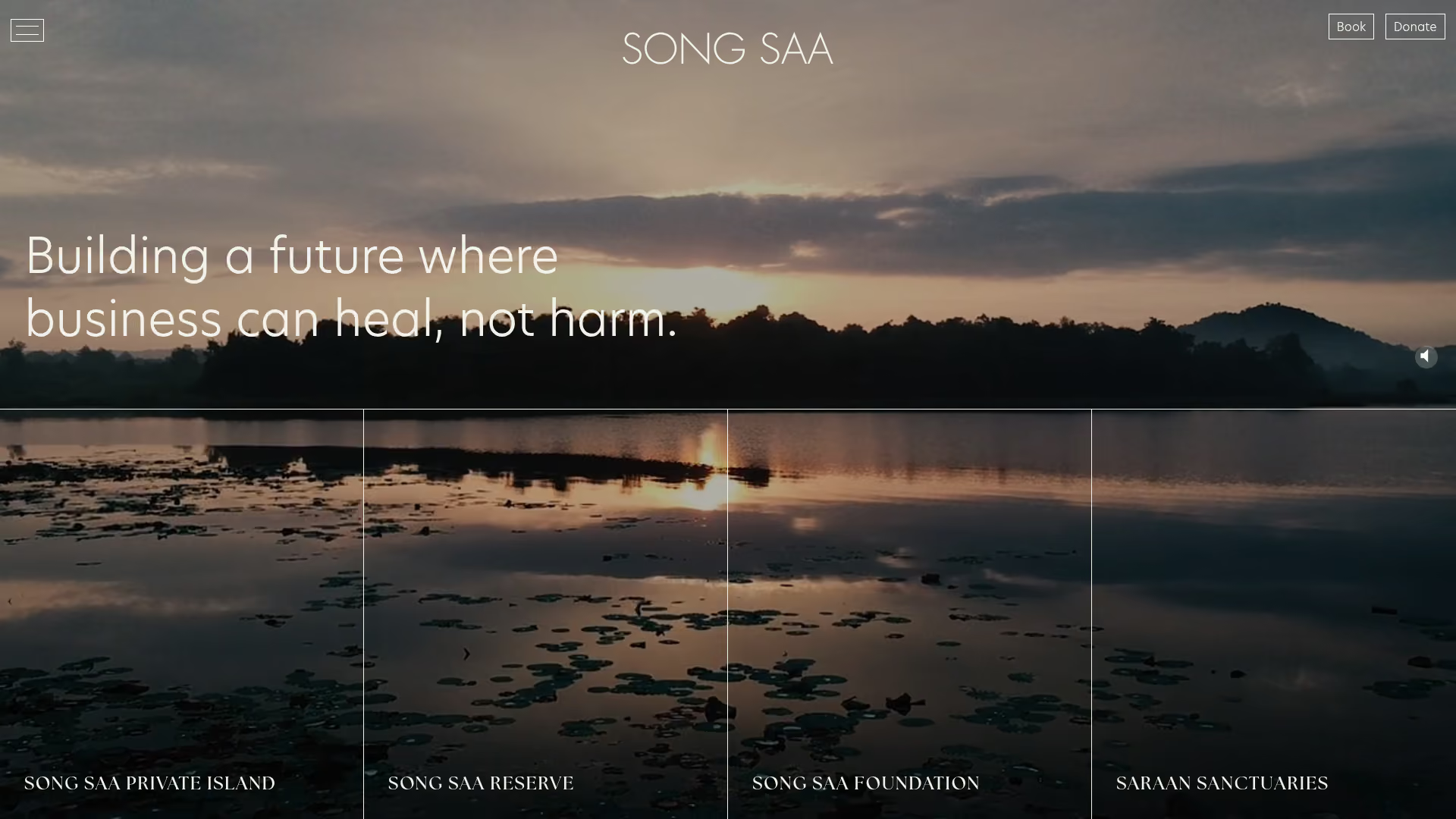
Song Saa Private Island in Cambodia is a remote luxury resort, and their website wastes no time showing exactly why guests would travel halfway across the world to stay there. A full-screen hero video opens the site with sweeping aerial footage of the island, the overwater villas, and the surrounding turquoise waters.
The site uses unobtrusive booking CTAs that don't distract from the visual storytelling, dedicated pages for the spa, dining, and sustainability initiatives, and authentic photography of the property's wildlife and surroundings. The booking flow is simple and elegant, never breaking the immersive experience the site builds from the homepage.
Why this works: Song Saa understands that destination resorts sell aspiration. By leading with cinematic visuals of the island itself and weaving sustainability and authenticity throughout the site, they justify their premium pricing before a guest ever sees a number. The site converts because it makes the trip feel like a once-in-a-lifetime experience worth saving for.
See your finished website before you pay a dime. We design it first, you review and approve, then we deploy in 2–3 days.
Costs vary significantly depending on your approach. DIY website builders like Wix or Squarespace can cost as little as $15–$50 per month, but often lack the SEO structure, booking integrations, and conversion optimization that hotels need. Professional agency-built hotel websites typically range from $3,000 to $15,000+ depending on complexity and features. At ESPLocal, we design your website before requesting payment so you can see exactly what you're getting before committing.
Template-based websites can be set up in days, though they often require significant customization to perform well. Custom-designed hotel websites from agencies typically take 6–10 weeks. ESPLocal designs your site upfront and deploys within 2–3 days of approval, combining speed with quality.
Absolutely. OTAs are valuable for visibility, but they charge commissions of 15–30% on every booking and they own the guest relationship. Your website is the one digital asset you control completely. It's also the destination for all your other marketing efforts—Google Ads, social media, email campaigns, and direct referrals all drive traffic back to your site, where every booking is commission-free.
At minimum, your hotel website needs a homepage, individual room and suite pages, an amenities page, a dining page if applicable, a location and local area page, a gallery, a direct booking page, and a contact page. If you host events or weddings, those deserve dedicated pages as well. Each page should be optimized for the specific searches guests use when planning a stay.
It's critical. Over 60% of travel research and booking happens on mobile devices. If your website isn't fully responsive and fast on mobile, you're invisible to the majority of travelers searching right now. Google also uses mobile-first indexing, meaning it evaluates the mobile version of your site when determining your search rankings.
Yes. A well-structured hotel website with proper on-page SEO, local keywords, hotel schema markup, fast loading speeds, and destination-focused content is one of the most effective ways to improve your visibility. Your website works alongside your Google Business Profile to signal that your hotel is relevant and worth showing to travelers searching in your area.
The most common mistake is relying too heavily on OTAs while neglecting the hotel's own website. Hotels that treat their website as a secondary channel consistently leave direct revenue on the table. Your website is your most cost-effective booking channel—every direct booking saves you 15–30% in OTA commissions. Investing in it properly is one of the highest-ROI decisions a hotel can make.
ESPLocal has helped 100s of plumbing companies rank higher, generate more qualified leads, and grow revenue through structured, proven local SEO.

Premium websites and structured local SEO for serious brick-and-mortar businesses.
© 2026 ESPLocal. All rights reserved.

